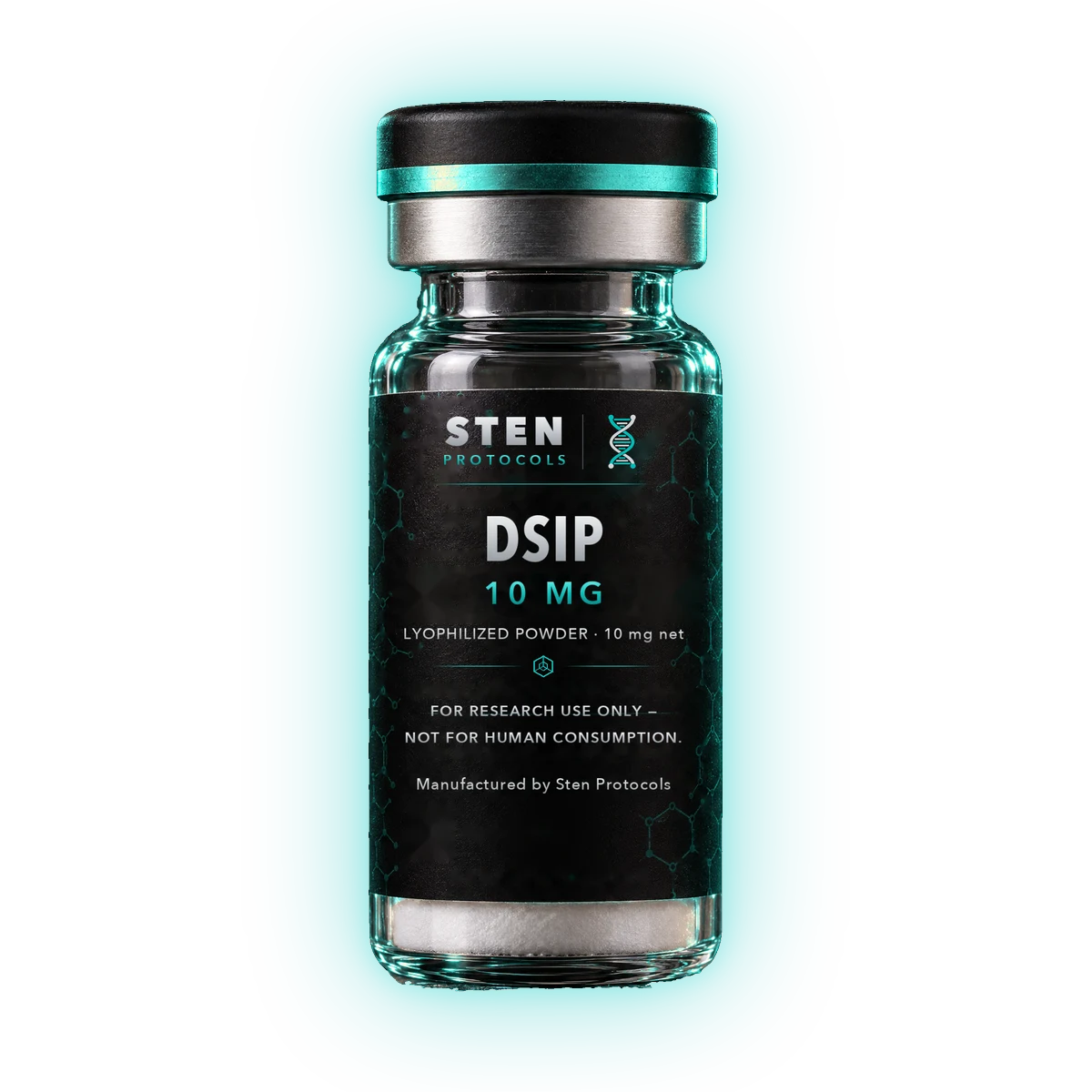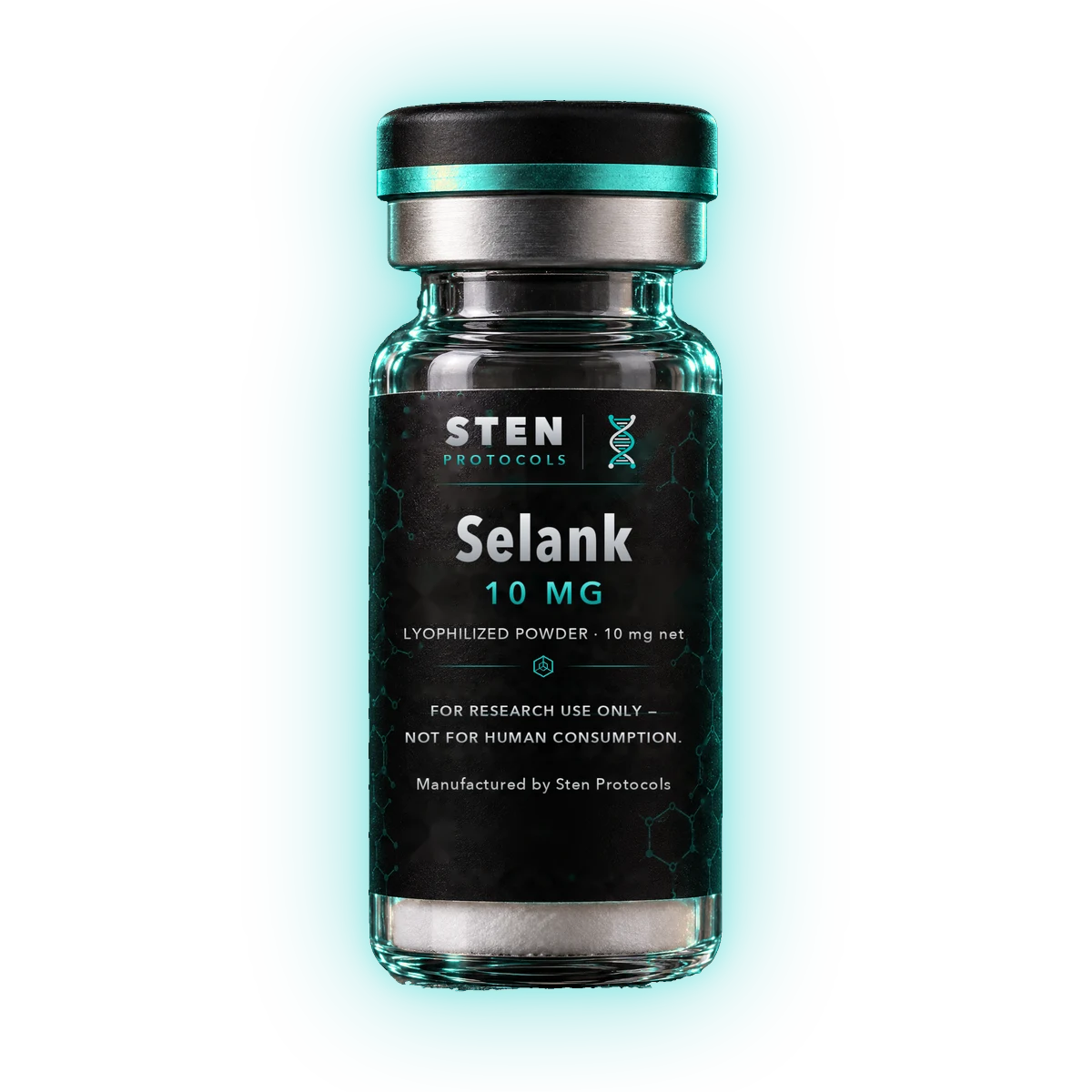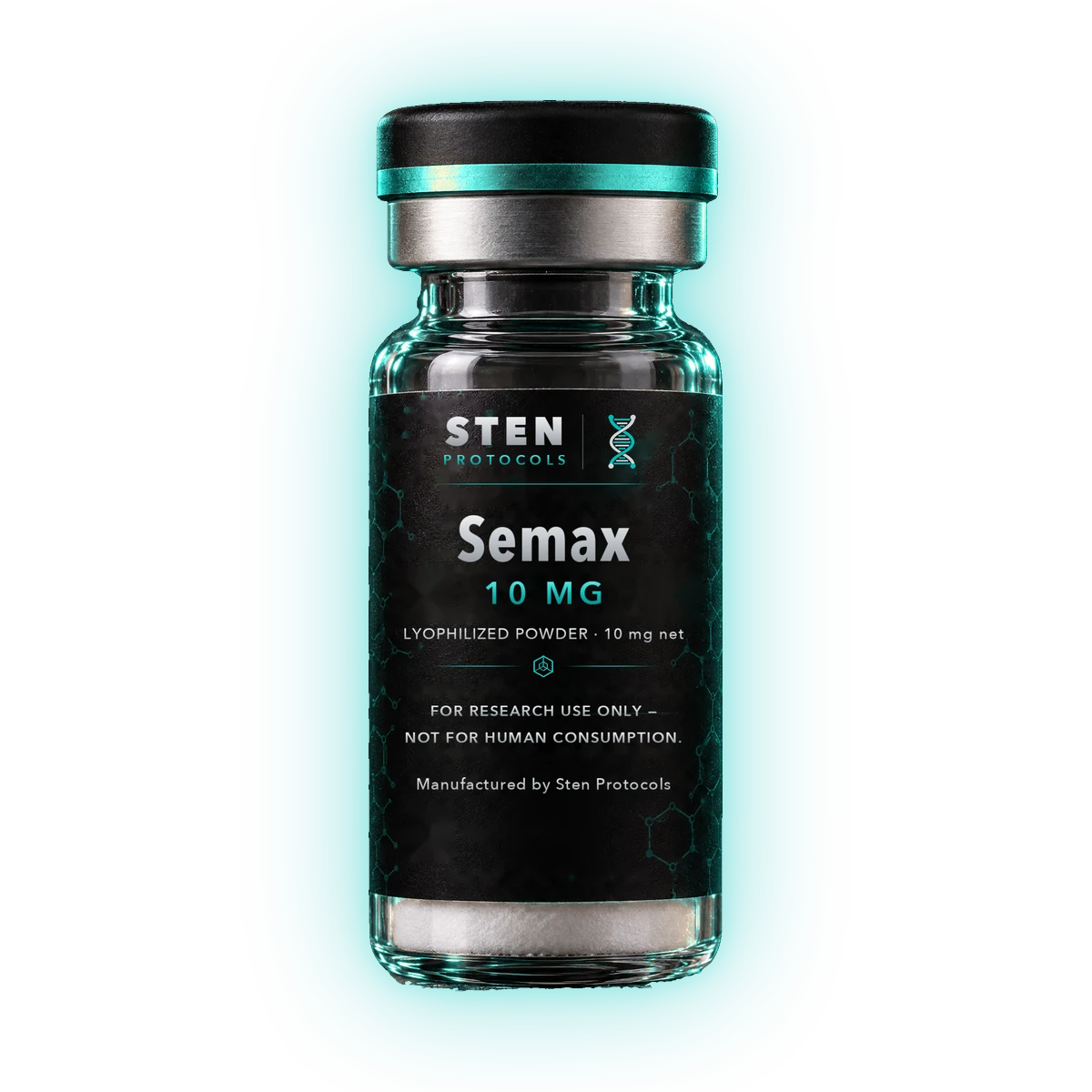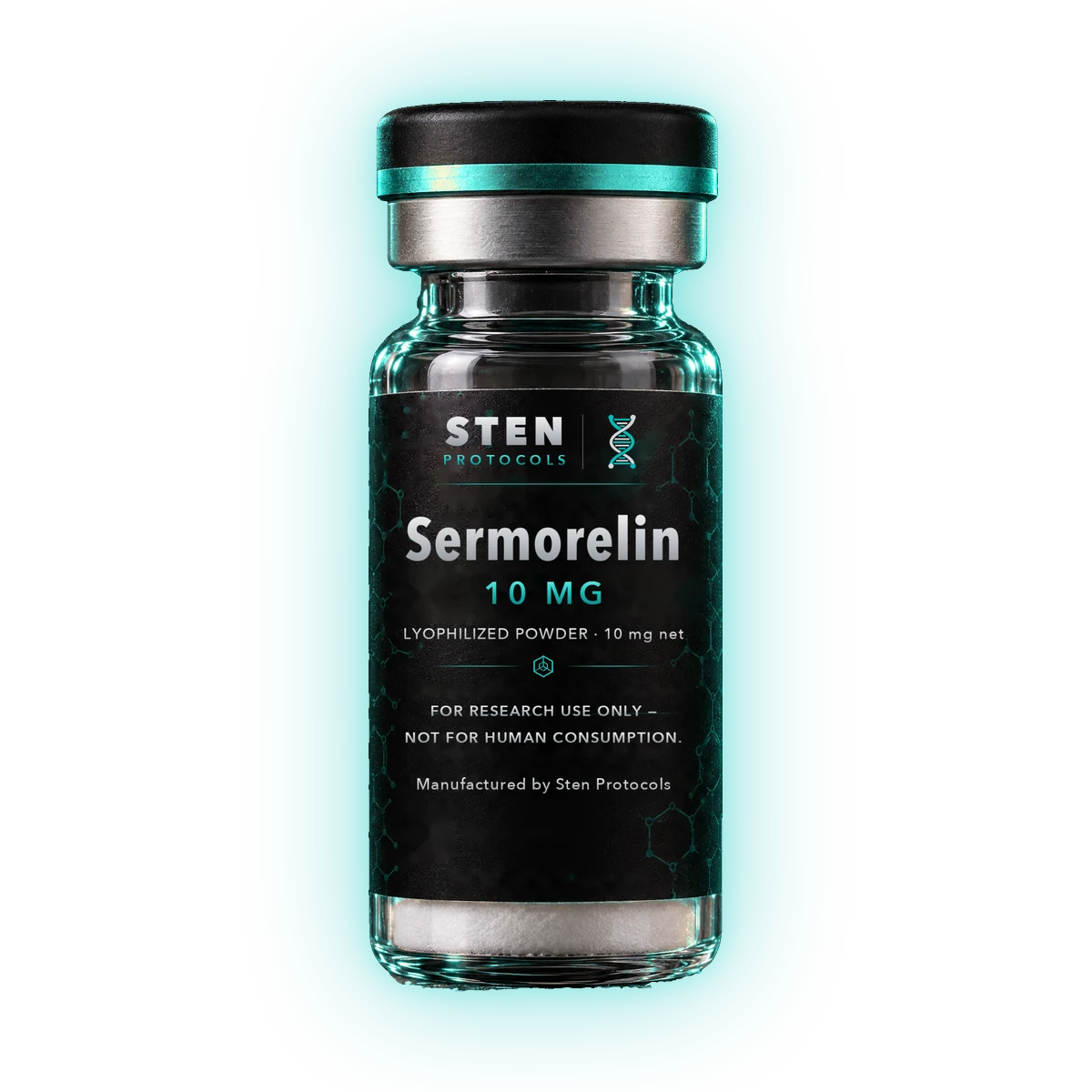
Research procurement begins before a shipment arrives. A material needs a defined specification, a documentation requirement and a plan for receipt and handling. Supply-chain information contributes to that plan, but it answers different questions from analytical testing. An uninterrupted chain of custody can preserve the history of a mislabeled substance just as faithfully as a correctly identified one. Likewise, intact packaging does not establish every storage condition or quality attribute. This article examines sourcing and shipment records without treating commercial acceptance as scientific qualification. It follows supplier roles, repackaging, transport observations and local transfers, ending with the basis for accepting a particular shipment into a particular research workflow. All service described by this storefront is US-only and limited to eligible laboratory research procurement.
Define requirements before comparing offers
A purchasing requirement should identify molecular specification, quantity basis, necessary analytical attributes and supporting records. Similar catalog names can conceal different chemical forms or characterization levels. Price and lead time remain important operational considerations, but compare them alongside the evidence required for the planned study. Otherwise, procurement can appear equivalent while material distinctions remain unresolved.
Separate mandatory requirements from preferences and open questions. A particular modification or lot-specific analytical record may be essential, while another feature is only desirable. Explicit distinctions improve conversations about substitutions. They also prevent a commercial purchasing decision from being described retrospectively as an independent scientific qualification. Documentary completeness, order acceptance and suitability for a method are related judgments, not identical ones.
Understand supplier roles and information flow
The seller may manufacture, distribute, repackage or coordinate several activities. These arrangements are not inherently problematic, but they affect available records and lot interpretation. Identify who issued the specification, who generated the test data and how the supplied container connects to those records. General reputation cannot replace linkage for the actual material received.
Ask specific questions about lot assignment, repackaging events, revision controls and discrepancy handling rather than relying on broad assurances. Confidentiality can limit disclosure; an unavailable detail does not automatically indicate poor practice. It is still a limitation the laboratory can document and evaluate. Supplier qualification is an evidence-based assessment of capability and information flow, not a declaration that every future shipment will be identical.
Chain of custody and repackaging
Custody records document possession and transfers across production, distribution, transport and local movement. Container identifiers, dates and relevant quantities or conditions make those records useful. They support accountability but do not independently establish chemical identity. The traceable history of a container and the analytical evidence for its contents must be reviewed as separate, complementary parts of the material record.
Dividing bulk material creates a traceability junction. New containers should map to the source lot and division event, with reconciled counts and identifiers. Preparation changes need documentation too. Returns, replacements and combined shipments require comparable care. Administrative substitutions should not obscure physical differences, especially when multiple containers share a name but have different handling histories. A source lot alone cannot describe every descendant preparation.
Packaging protects against particular risks
Packaging may provide containment, physical protection, identification or environmental control. Each function addresses a distinct risk. Appropriate design depends on material-specific evidence and the transport scenario. A sealed vial and a protective carton are meaningful observations but not proofs of stability. Visually substantial packaging may reveal little about the conditions experienced by each container throughout delivery.
Temperature indicators or data loggers can improve visibility while introducing interpretive limits. A sensor records conditions where it sits, not necessarily the exact temperature of every vial. Placement, calibration, activation and missing intervals affect the record. An excursion needs assessment against relevant stability information rather than automatic acceptance or rejection. When that information is unavailable, preserve the uncertainty instead of resolving it from package appearance.
Receipt and internal transfers
Receipt checks should establish what arrived and whether it matches the order and documents. Record count, identifiers, seals, visible damage, transport observations and missing information. These checks can identify problems before routine use but do not replace chemical characterization. Describe findings objectively: a damaged outer carton may not imply changed material, while an intact carton does not establish that every required condition was maintained.
Preserve correspondence, labels and decisions when discrepancies occur. Material status should remain clear so unresolved shipments do not become accepted inventory by accident. Internal transfers need continuity with the receipt record, including destination, responsible personnel and changed conditions. Local renaming and informal handoffs can sever an otherwise complete traceability chain, making later investigation depend on memory rather than recorded evidence.
Evaluate acceptance and ongoing performance
Review recurring discrepancies, identifier consistency, document availability and technical response times. Context matters: promptly disclosing a problem may show effective detection rather than weaker overall control. An absence of reported issues may reflect limited inspection. Ask how deviations are identified, investigated and communicated, and whether corrective information remains connected to future shipments and purchasing decisions.
The final acceptance record should explain why a shipment is suitable for its defined research role, including unresolved limitations. That judgment belongs to a particular material, evidence set and application; it should not become a blanket claim about all products from the source. Custody, packaging and documentation provide context, while characterization answers chemical questions. Keeping their respective capabilities visible supports more defensible laboratory procurement decisions.
A receipt decision can be documented as a short set of linked observations: the supplied identifiers matched the order, the requested reports were available, the containers passed the defined receipt checks and the local handling plan was assigned. If one observation is missing, state which requirement remains unresolved and who will review it. Do not replace that gap with an assumption based on a previous delivery. Linking the decision to a specific shipment also makes later replacements or corrections easier to evaluate. A documented acceptance process remains revisable when new analytical evidence or handling information changes the basis of the original decision.