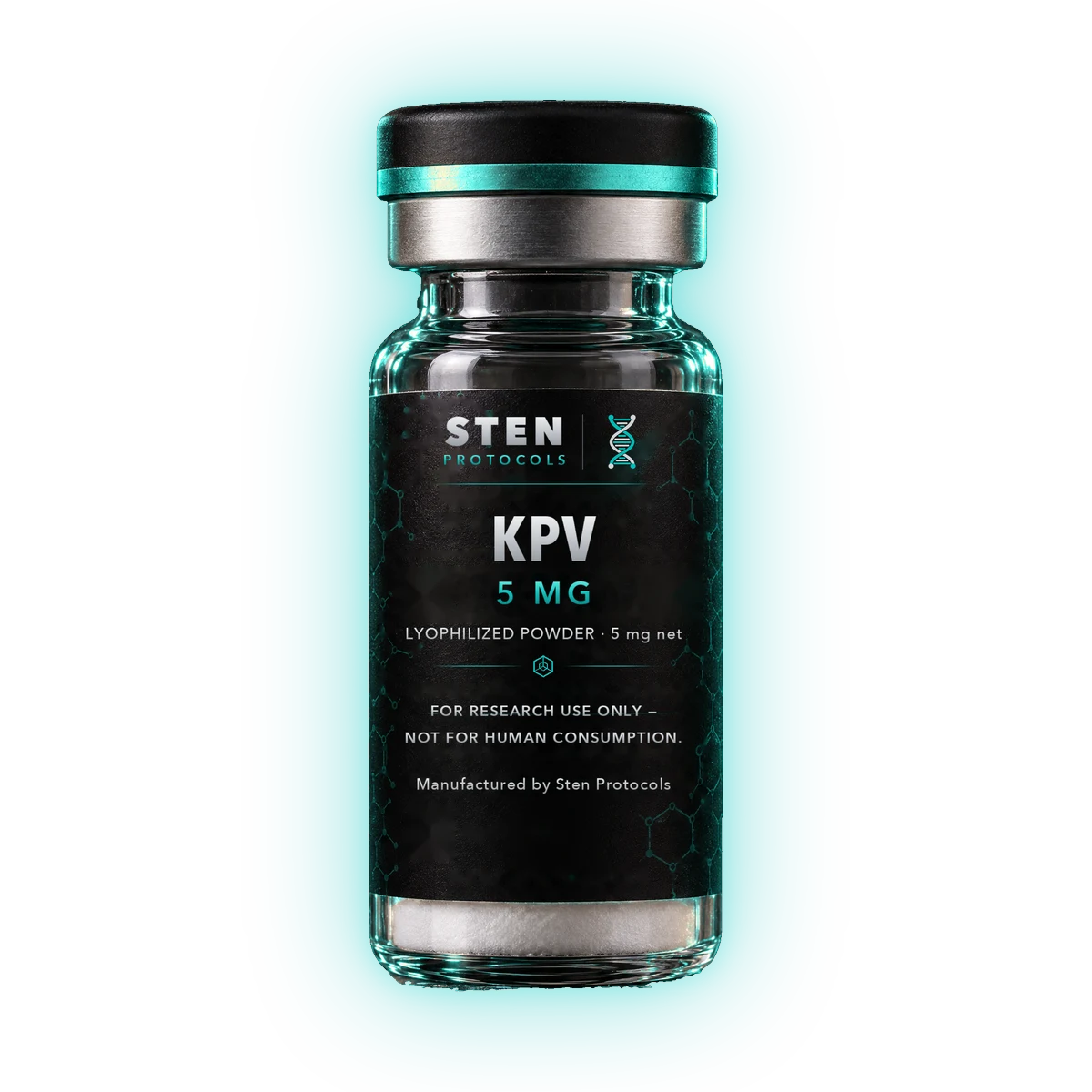
A peptide name is a starting point, not a complete experimental specification. Researchers need to connect the name to a defined molecular structure, an actual preparation and the evidence available for that material. This primer separates terms that are often grouped together: sequence, chemical form, purity, content and intended use. These distinctions matter because a result belongs to the material and conditions that produced it, not simply to a familiar abbreviation. The discussion is limited to laboratory research and does not address administration, clinical safety or outcomes in people or animals. A clear procurement record and a clear experimental record are complementary: one describes what was supplied, while the other describes what was done with it.
What the word peptide describes
Peptides contain amino acid residues joined principally by peptide bonds. There is no universally accepted residue count separating every peptide from every protein; usage also depends on molecular size, folding and disciplinary convention. A sequence is commonly written from the amino terminus to the carboxyl terminus with one-letter or three-letter abbreviations. This notation establishes residue order but may not identify all structural features. Unusual residues, branching, cyclization and stereochemistry require explicit annotation.
A short catalog name may describe a family, a sequence fragment or a modified preparation. Two products with similar names are not necessarily interchangeable. Researchers should compare the full molecular specification and avoid treating informal laboratory abbreviations as unique chemical identifiers. A useful record preserves both the convenient name and the unambiguous structural description, with any unresolved differences recorded rather than silently reconciled.
Sequence is only part of identity
Terminal acetylation, amidation, linkers, labels and disulfide connectivity can define a research substance as strongly as its amino acid sequence. The expected molecular formula and mass should correspond to those declared features. For a cyclic or disulfide-containing peptide, residue composition does not establish the intended connectivity. A method capable of measuring composition may therefore answer a different question from a method investigating structure.
Stereochemical substitutions provide another example: replacing an L-residue with its D counterpart can leave elemental composition and mass unchanged. Sequence isomers may also share a molecular formula. An intact-mass match supports an aspect of identity without proving every structural claim. Investigators should ask which feature each measurement addresses and whether an orthogonal method is needed for a distinction critical to their experiment.
Powder mass, peptide content and purity
An isolated material may contain water, counterions, residual solvents and other components alongside the intended peptide. Counterions can arise during synthesis or purification and may matter when comparing preparations. Nominal vial mass should not automatically be read as the measured mass of peptide molecules. That interpretation depends on the supplier’s reporting convention and the measurement basis.
Chromatographic purity often represents a detector-area fraction under specified separation conditions. Peptide content describes a quantitative estimate of peptide in a material, while gross powder mass includes everything weighed. These are different properties and need not agree. Where precise concentration assignment is important, document the chosen basis, relevant uncertainty and assumptions concerning water or counterion contributions. Do not convert a purity percentage into a content result without evidence supporting that conversion.
Physical form and preparation history
Research materials can arrive as dry solids, lyophilized preparations or solutions. Appearance alone supplies little evidence of molecular identity or chemical quality. A white solid can contain different substances; a clear solution may contain degradation products or an incorrect concentration. Physical form is still worth recording because it shapes handling and the observations available at receipt. Visible changes can trigger investigation, but unchanged appearance does not establish unchanged chemistry.
Solubility and stability depend on sequence, chemical form, solvent composition, concentration, temperature and contact surfaces. General peptide statements cannot determine suitable conditions for every material. Follow a material-specific laboratory plan and distinguish supplier guidance from conditions validated locally. Transfers, dilutions and aliquoting create additional sample history. Record those events so later measurements can be connected to the actual preparation, not only to the original supplier lot.
Relating attributes to experiments
An experimental observation reflects both the system under study and the material introduced into it. Relevant attributes may include sequence, modification state, concentration assignment, aggregation, impurities and compatibility with the assay environment. Their importance varies by method. Identify plausible sources of interference before choosing controls or characterization, rather than assuming that one broadly described quality attribute covers every research question.
Unexpected signals should not automatically be attributed to the named peptide. Solvent effects, adsorption, contamination, instrument response or differences in preparation can provide alternative explanations. Blanks, reference materials and independent measurements help examine those possibilities. Repeating the same preparation may establish repeatability without resolving cause. A useful interpretation distinguishes reproducible observation from evidence that a particular molecular feature generated it under the conditions tested.
Reading research-use descriptions critically
Research Use Only defines an intended-use boundary. It is not itself an analytical test or a comprehensive quality designation. The label does not establish identity, biological activity, sterility or suitability for a particular platform. Those questions require separate evidence. Researchers should ask what each claim means, which lot it covers and what measurement supports it.
Start with a molecular description, a source lot, available analytical documents and a defined laboratory application. Keep missing information visible rather than filling gaps from appearance or naming. Compare equivalent attributes measured on comparable bases when evaluating suppliers or lots. This approach cannot eliminate uncertainty, but it makes uncertainty easier to locate. Clear terminology supports inspectable research by keeping supplied identity, measured properties and experimental conclusions distinct.
A practical naming review can begin by writing down the exact identifiers found on the order, vial and analytical report. Compare those identifiers before assembling an experimental summary. If two descriptions disagree, retain both descriptions and seek clarification rather than selecting the more familiar one. When a study spans several lots, note whether the same identity criteria were applied to each. Consistent review criteria make comparisons more interpretable and prevent differences in documentation from being mistaken for differences in material.